
Mobile Chip-Off Solution
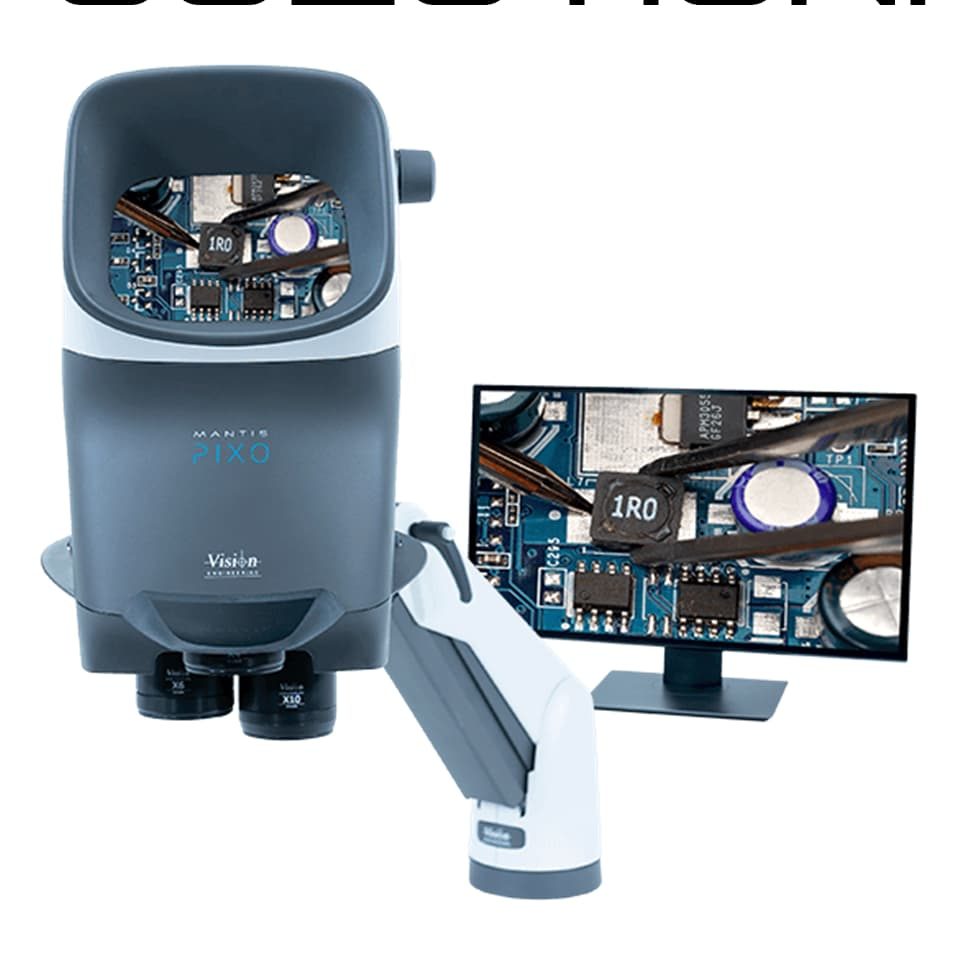
When data loss is catastrophic, chip-off bypasses the operating system and physically extracts the flash memory chips directly from the board. Using cutting-edge tools, and high-magnification microscopes — with no soldering to the delicate pinouts — there is no damage to the chips, saving time and reducing risk.
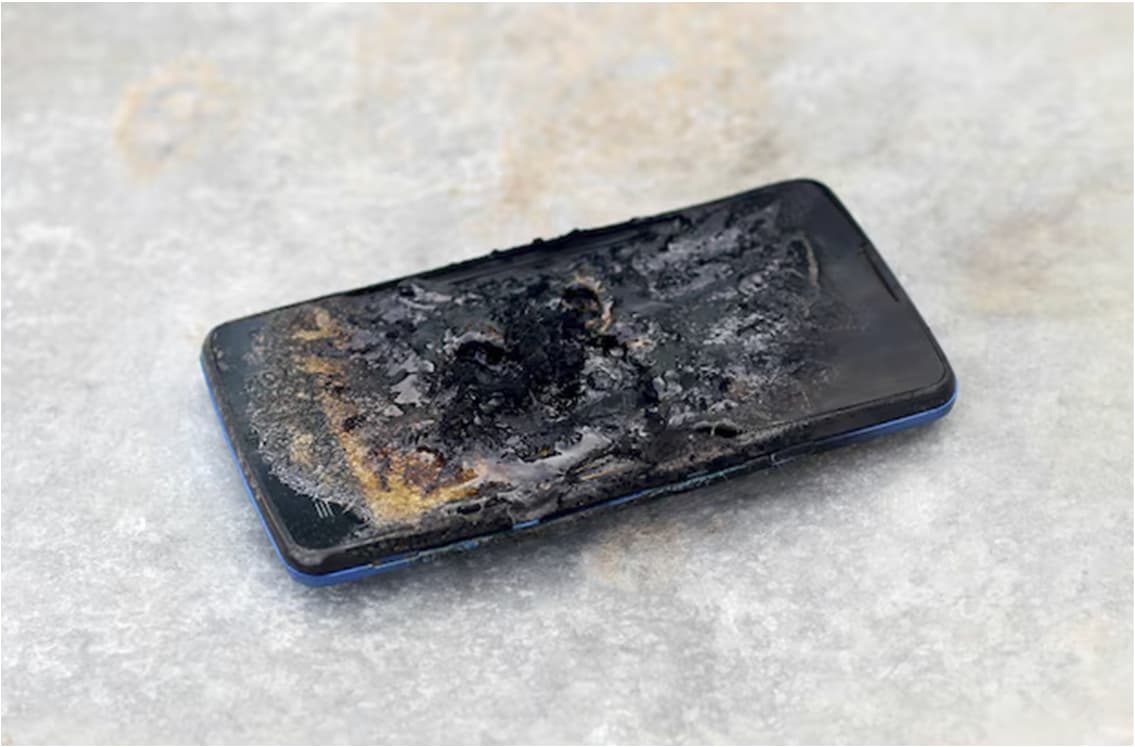
It is a complete solution — hardware, adapters and training — that recovers data from devices that are locked, water-damaged, burned or physically destroyed. These techniques are advanced enough to be regularly engaged by police forces in the most complex mobile phone forensic cases.
Physically extract the flash memory
Mobile and smart phones store a huge amount of information, and data loss can be catastrophic. The chip-off method bypasses the operating system and physically extracts the flash memory chips to recover that data.
With cutting-edge tools, adapters coupled with microscopes, the chances of recovery are extremely high. Because there is no soldering to the technological pinouts, there is no damage to the chips — saving time and reducing risk. These techniques are advanced enough to be regularly engaged by police forces in complex mobile phone forensic cases.
Understanding the technique
What is chip-off forensics?
An advanced digital data extraction and analysis technique that physically removes the flash memory chip(s) from a device and acquires the raw data using specialized equipment. It allows a complete physical image of nearly any device to be collected — even those that have suffered catastrophic damage.
When should it be considered?
Typically when all other extraction options — including JTAG — have been exhausted. In certain situations it may be the preferred first method, particularly when it is important to preserve the state of memory exactly as it exists on the evidence device.
Turnaround time
With a substantial inventory of programmers and adapters, projects typically turn around in 7–10 days, and can often be expedited to 1–3 days when necessary. Cases requiring special adapters may take longer.
Supported devices
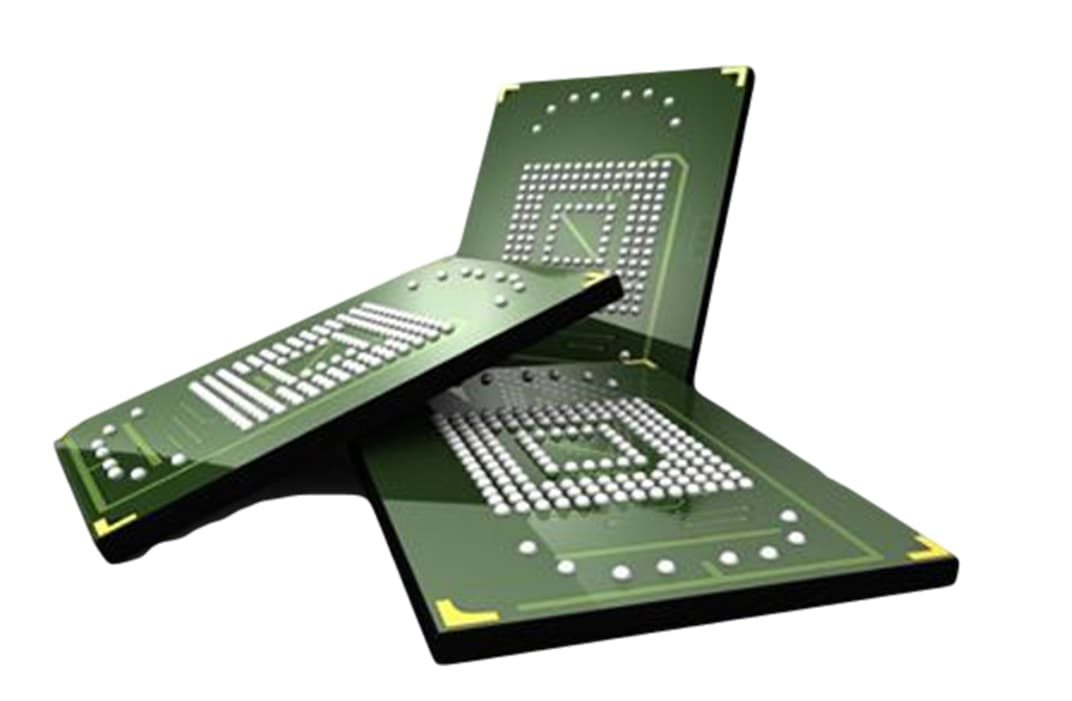
Most projects involve cellular phones, but chip-off works on nearly any device with flash memory (NAND, NOR, OneNAND or eMMC): voice recorders, GPS units, tablets, USB drives, gaming systems, network devices and vehicle components.
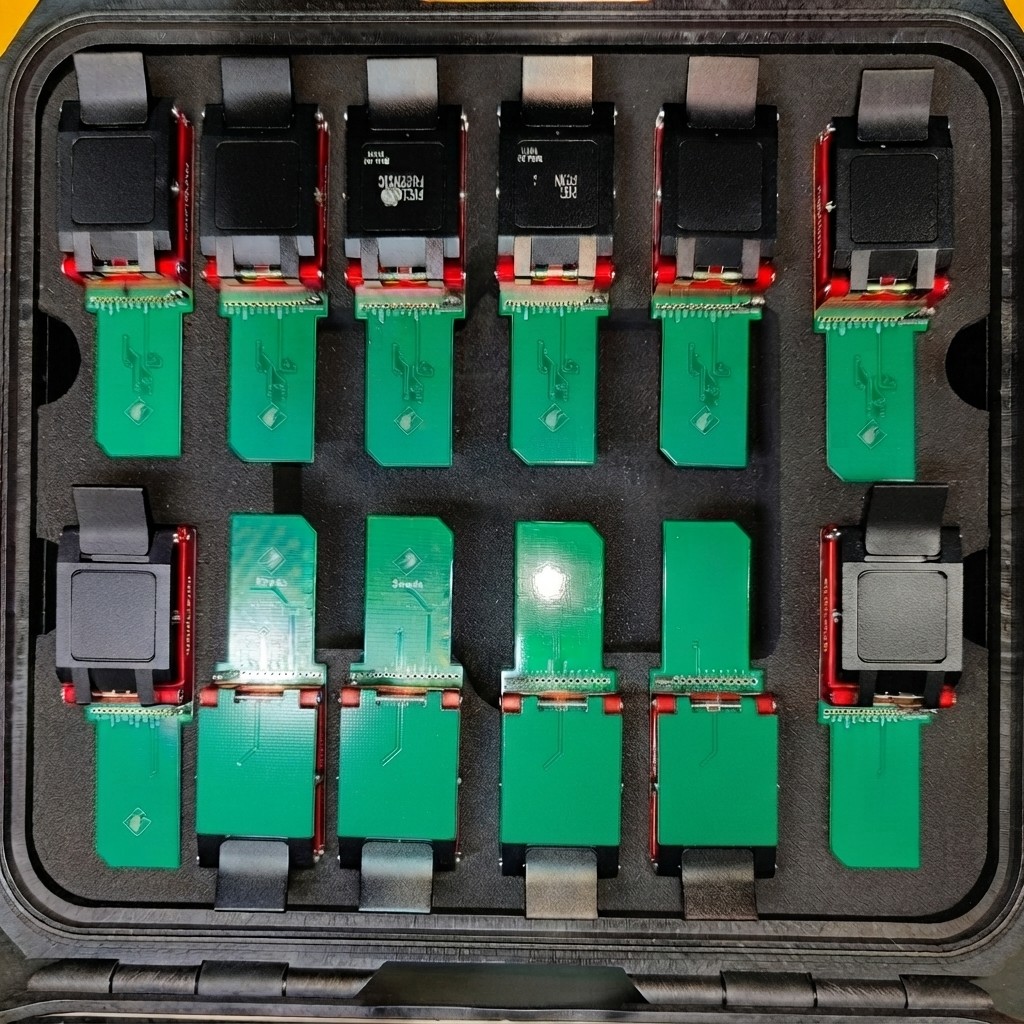
A complete adapter kit
Precision adapters and sockets for the full range of memory packages, supplied ready for forensic work.
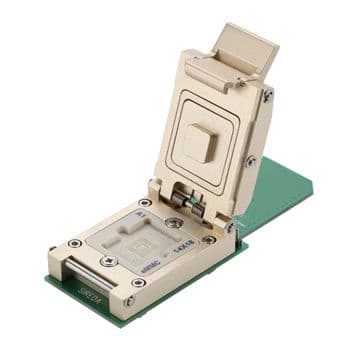
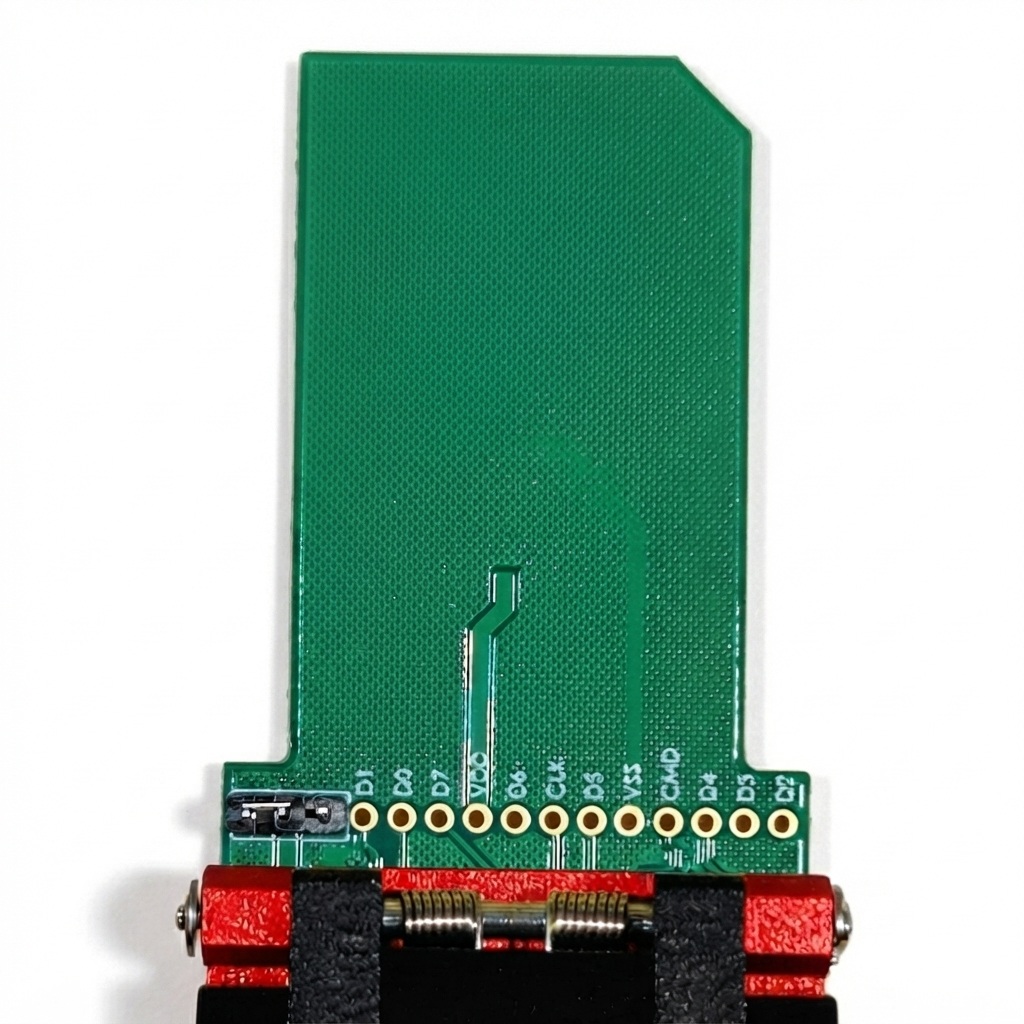
Universal engineering programmer
Widely supports most IC types on the market — UFS, eMMC, MCU, CPLD, FPGA, SPI NOR, SPI NAND, Parallel NOR, Parallel NAND and EEPROM — across IC packages including CSP, BGA, QFN, QFP, SOP, TSOP, SSOP, PLCC and DIP. A purpose-designed FPGA kernel architecture delivers ultra-high-speed programming, and built-in SuperSpeed USB 3.0 provides high-speed communication for precise, stable chip-off analysis.
Programmer capabilities
High-speed programming
Built-in high-speed processor for fast programming throughput.
UFS / UMCP & eMMC / eMCP
Full programming support for UFS and eMMC family parts.
UFS v2.0 – v3.1
Descriptors, attributes & flags setting, LUN configuration and advanced settings.
eMMC areas & modes
User Area, Boot1/2, Extended CSD, RPMB, GPP1–4 and Enhanced mode.
USB 2.0 & 3.0
SuperSpeed USB 3.0 (using power adapter) for high-speed transfer.
File formats
Binary (bin/rom), Intel Hex and Motorola S19, plus MCU-specific formats.
Supported Storage ICs
Supported IC Packages
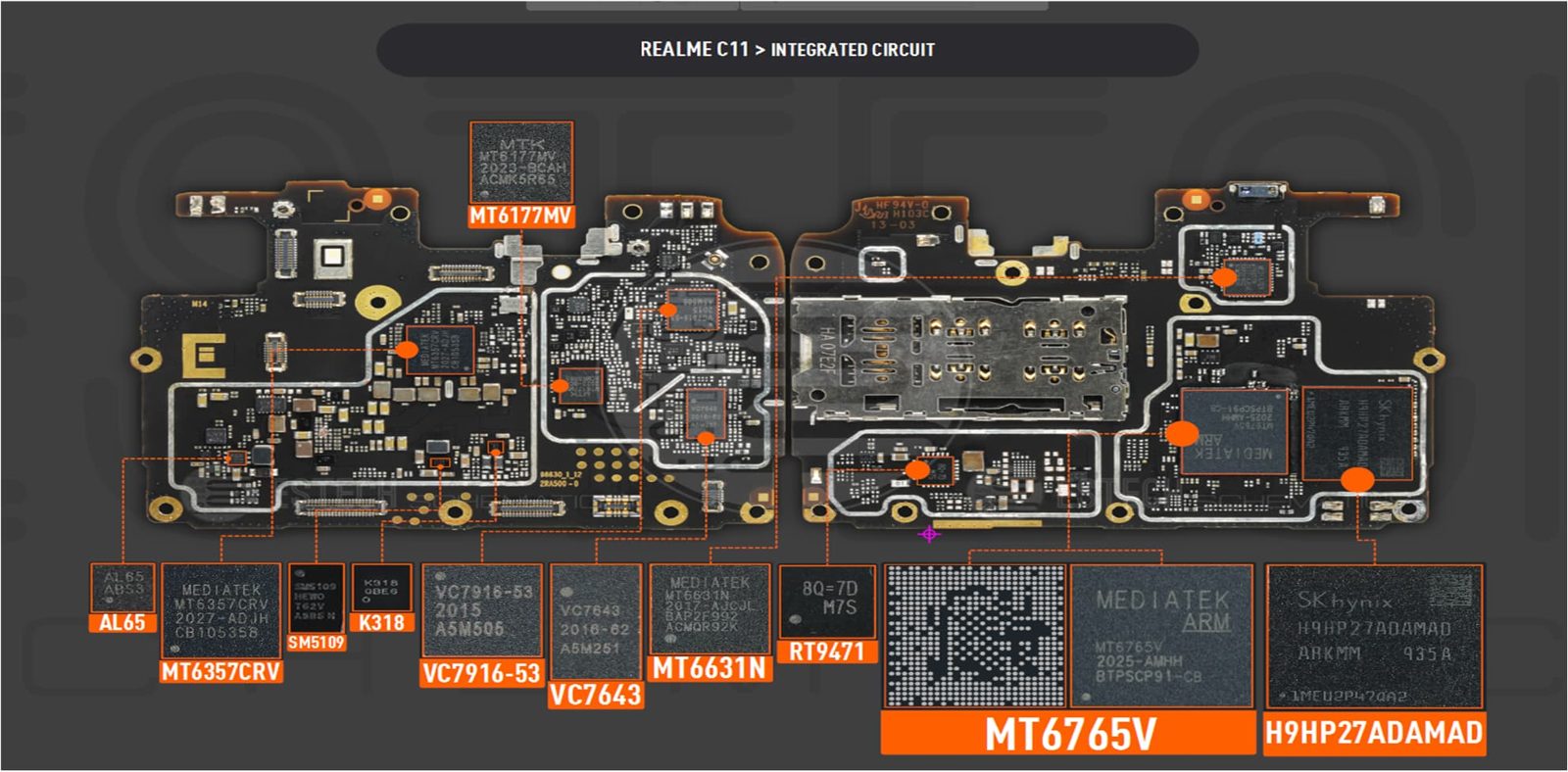
Hardware backed by training
The solution doesn't stop at hardware. It's backed by hands-on training that equips your team to perform and complete even the most complex chip-off cases — from board removal to full data acquisition.
Chip-off in action
Set up your Chip-Off Lab
Adapters, programmers, microscopes and the training to use them — delivered as a complete, case-ready solution. Talk to us about your requirements.